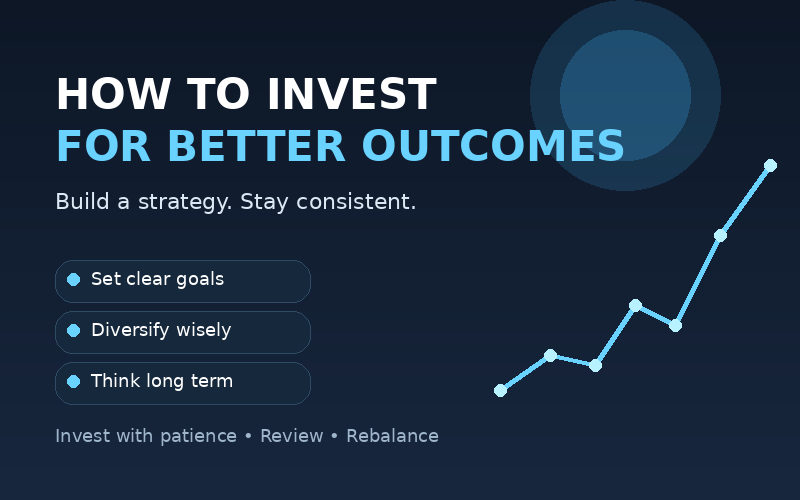
Investing your money is not just about putting cash into stocks, mutual funds, or other assets and waiting for it to grow. The real difference comes from knowing how to invest money with a clear plan, realistic expectations, and enough patience to stay consistent.
The first step is to define your goal. Are you investing for a home, your children’s education, retirement, or simply long-term wealth creation? Your goal helps determine how much you should invest, how long you can stay invested, and how much risk may be appropriate.
Once your goal is clear, understand your risk tolerance. Every investment carries some level of risk, and higher potential returns usually come with greater uncertainty. Avoid putting all your money into one asset. Diversification across suitable investments can help reduce the impact of a poor-performing investment on your overall portfolio.
Consistency is another important part of successful investing. Instead of trying to predict every rise and fall in the market, many investors choose to invest regularly over time. This approach can make investing a habit and reduce the pressure of trying to find the “perfect” time to invest.
You should also keep an emergency fund separate from your investments. Money needed for unexpected expenses should generally remain easily accessible rather than being exposed to market fluctuations.
Review your investments periodically, but avoid making emotional decisions based on short-term market movements. A temporary decline does not automatically mean your long-term strategy is wrong. At the same time, reviewing your portfolio helps you check whether your investments still match your goals, time horizon, and risk level.
Most importantly, focus on the process rather than chasing quick profits. Research before investing, understand the costs involved, and be cautious of promises of guaranteed high returns.
When learning how to invest money, remember that better outcomes usually come from a combination of clear goals, diversification, regular investing, sensible risk management, and patience. Your financial journey does not need to be complicated; it needs to be planned and consistent.
This article is for general educational purposes and is not personalized financial advice. Consider your circumstances and consult a qualified financial professional before making investment decisions.

No comments yet
Have a question or insight regarding this guide? Share your thoughts below!
Leave Your Comment & Question
Your email address will not be published. Required fields are marked *